
Navigating San Antonio Commutes: Choosing the Best Neighborhood for Your Move
By Sharon Barton
March 2, 2026 at 2:32 PM CST
Planning a move to San Antonio? Your daily commute could play a pivotal role in choosing the ideal neighborhood. Dive into our guide to navigating San Antonio's commute dynamics and discover how to make a strategic, stress-reducing home choice with expert tips from Realty Texas.
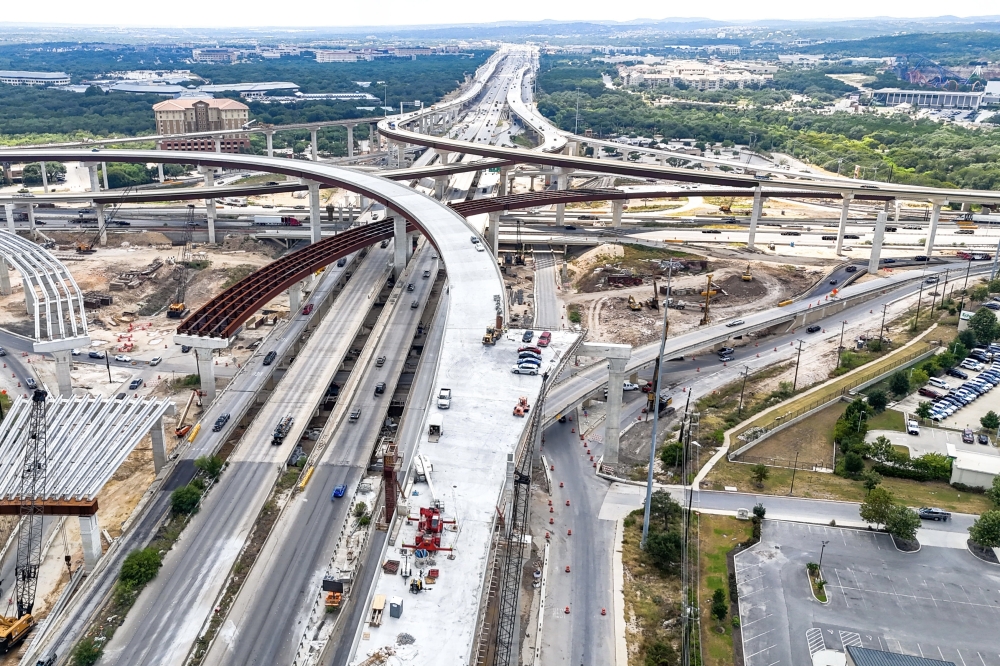
Relocating to San Antonio involves many exciting decisions, not least of which is choosing the right neighborhood to call home. One crucial factor to consider is your daily commute, especially if you're moving from places like Austin where traffic patterns might differ. Understanding the dynamics of San Antonio's commutes can greatly influence your neighborhood choice. Here's a closer look at what to consider before you finalize your move with Realty Texas.
San Antonio, known for its sprawling areas, offers a variety of commuting challenges and opportunities. For those who need close proximity to the city center, downtown San Antonio presents a vibrant living option, but you must consider the high-volume traffic during peak hours. Understanding drive times to key locations such as The Medical Center, Lackland AFB, and Fort Sam Houston is essential for a smoother daily routine.
If you are commuting from Stone Oak, expect a drive time to downtown that can vary significantly. In off-peak hours, this commute is manageable, but during rush hours, you might face longer delays. Similarly, the popular neighborhood of Alamo Ranch offers appealing suburban life, yet reaching central locations like The Medical Center can require strategic route planning to avoid traffic bottlenecks.
Residents of Helotes will find that while it offers a picturesque, small-town feel, the trek to areas such as Lackland AFB can be lengthier, necessitating an early start to beat the rush. On the eastern side, Schertz and Cibolo provide a peaceful atmosphere only slightly removed from downtown hustle, with still manageable drive times to military bases like Fort Sam Houston.
Key highways and arterial routes are central to navigating commutes in San Antonio. The Loop 1604 corridor is a substantial commuter's lifeline, circling the city and connecting major locations, but it can become heavily congested. Highways such as I-10 and 281 offer alternative routes but come with their own unique sets of traffic patterns and construction zones. Given San Antonio's ongoing infrastructure improvements, staying informed about peak construction areas is wise to avoid significant delays.
For military families relocating to formidable bases like Lackland AFB or Fort Sam Houston, understanding these commute dynamics becomes even more critical. Not only do you want to minimize time spent on the road, but also ensure a balance with quality of life and housing affordability.
Another important consideration is that in San Antonio, miles do not always equate to minutes. Urban sprawl means that specific routes, despite being shorter in distance, might not necessarily translate to quicker travel times. The key is to look beyond the number of miles and consider specific road conditions and peak traveling times for a realistic estimation of your daily commute.
Ultimately, where you work should indeed influence where you live. Understanding these commuting aspects of San Antonio can help guide you in selecting a neighborhood that best suits your lifestyle and reduces travel stress. By aligning your home base with your work location, you can enjoy a more seamless transition into the vibrant San Antonio community.
If you're considering a move to the San Antonio area, Sharon Barton with Realty Texas offers expert, local insights to help you find the perfect neighborhood that aligns with your commuting needs. Reach out today to start your journey towards a well-informed and satisfying home selection process.
Comment